Introduction: The Modern Understanding of a Healthy Diet
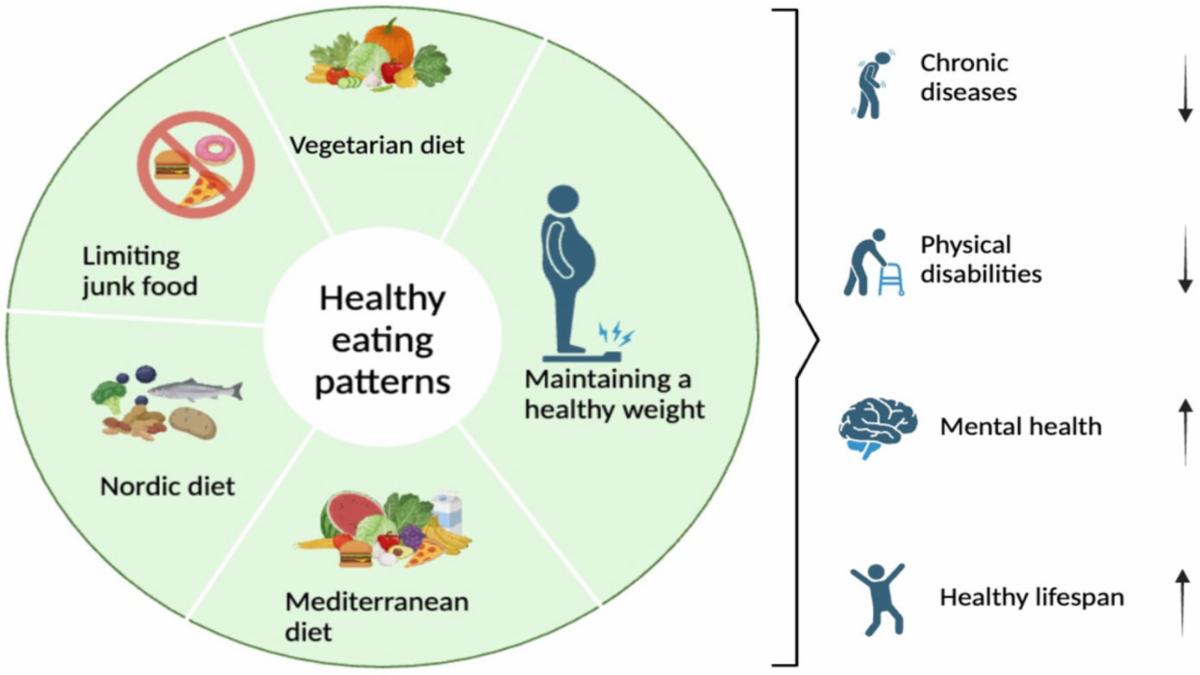
A healthy diet is no longer defined by isolated nutrients or calorie counts alone. Instead, it is understood as a comprehensive dietary pattern that consistently delivers the right balance of macronutrients, micronutrients, and bioactive compounds to support long-term health. With the global rise of non-communicable diseases (NCDs)—including cardiovascular disease, diabetes, obesity, and cancer—dietary patterns have become a central determinant of both prevention and management.
Modern dietary science emphasizes that what we eat regularly matters more than occasional choices. Diets rich in plant-based foods, whole grains, healthy fats, and lean proteins have been repeatedly associated with improved health outcomes and reduced disease risk.
Core Components of a Healthy Diet
Balanced Macronutrient Intake
A well-structured diet ensures proper proportions of:
- Carbohydrates: Primary energy source, ideally from whole grains, fruits, vegetables, and legumes
- Proteins: Essential for tissue repair and muscle maintenance, sourced from both plant and animal origins
- Fats: Critical for cellular health, with emphasis on unsaturated fats over harmful trans and saturated fats
Whole-food carbohydrates provide fiber and sustained energy, while refined grains lack essential nutrients. Similarly, healthy fats—especially omega-3 fatty acids—support cardiovascular and cognitive health.
Micronutrient Density and Diversity
Micronutrients, including vitamins and minerals, play vital roles in:
- Immune function
- Cellular repair
- Metabolic regulation
A diet rich in colorful fruits and vegetables ensures a diverse intake of antioxidants and phytochemicals, which help combat oxidative stress and inflammation.
Hydration as a Fundamental Element
Water is indispensable for:
- Nutrient transport
- Temperature regulation
- Metabolic processes
Adequate hydration supports overall physiological efficiency and complements nutrient absorption.
The Role of Plant-Based Foods in Disease Prevention
Dietary patterns rich in plant-based foods consistently demonstrate:
- Reduced risk of cardiovascular disease
- Lower incidence of type 2 diabetes
- Decreased likelihood of certain cancers
Key components include:
- Fruits and vegetables: High in fiber, vitamins, and antioxidants
- Legumes: Excellent sources of plant protein and fiber
- Nuts and seeds: Provide healthy fats and micronutrients
- Whole grains: Support digestive health and glycemic control
These foods contribute to improved gut microbiota, which plays a crucial role in immune and metabolic health.
Evidence-Based Dietary Patterns
Mediterranean Diet: A Gold Standard for Longevity
The Mediterranean diet is widely regarded as one of the most effective dietary patterns for promoting health. It emphasizes:
- Whole grains, fruits, vegetables, and legumes
- Olive oil as the primary fat source
- Moderate intake of fish, poultry, and dairy
- Limited consumption of red and processed meats
This pattern has been linked to:
- Reduced cardiovascular events
- Improved lipid profiles
- Enhanced cognitive function
- Lower inflammation markers
Its success lies in the synergistic combination of nutrient-dense foods and lifestyle practices, including physical activity and social eating habits.
DASH Diet: Targeting Cardiovascular Health
The Dietary Approaches to Stop Hypertension (DASH) diet focuses on:
- High intake of fruits, vegetables, and low-fat dairy
- Reduced sodium, saturated fats, and added sugars
Clinical evidence demonstrates its effectiveness in:
- Lowering blood pressure
- Reducing cholesterol levels
- Supporting weight management
The DASH diet is particularly beneficial for individuals with hypertension or metabolic syndrome.
MIND Diet: Protecting Cognitive Function
The MIND diet combines elements of the Mediterranean and DASH diets, specifically targeting brain health. It prioritizes:
- Leafy greens and berries
- Nuts, whole grains, and fish
- Limited intake of processed foods and sweets
Research indicates:
- Slower cognitive decline
- Reduced risk of Alzheimer’s disease
- Enhanced memory and mental clarity
Even moderate adherence yields measurable cognitive benefits.
Nordic Diet: Regional Adaptation with Global Benefits
The Nordic diet reflects traditional eating patterns of Northern Europe and includes:
- Root vegetables, berries, and whole grains
- Fish and low-fat dairy
- Plant-based oils such as rapeseed oil
It has been associated with:
- Improved cholesterol levels
- Better insulin sensitivity
- Sustainable weight management
This diet demonstrates how regional food systems can support global health goals.
Traditional Asian Diets: Balanced and Functional Nutrition
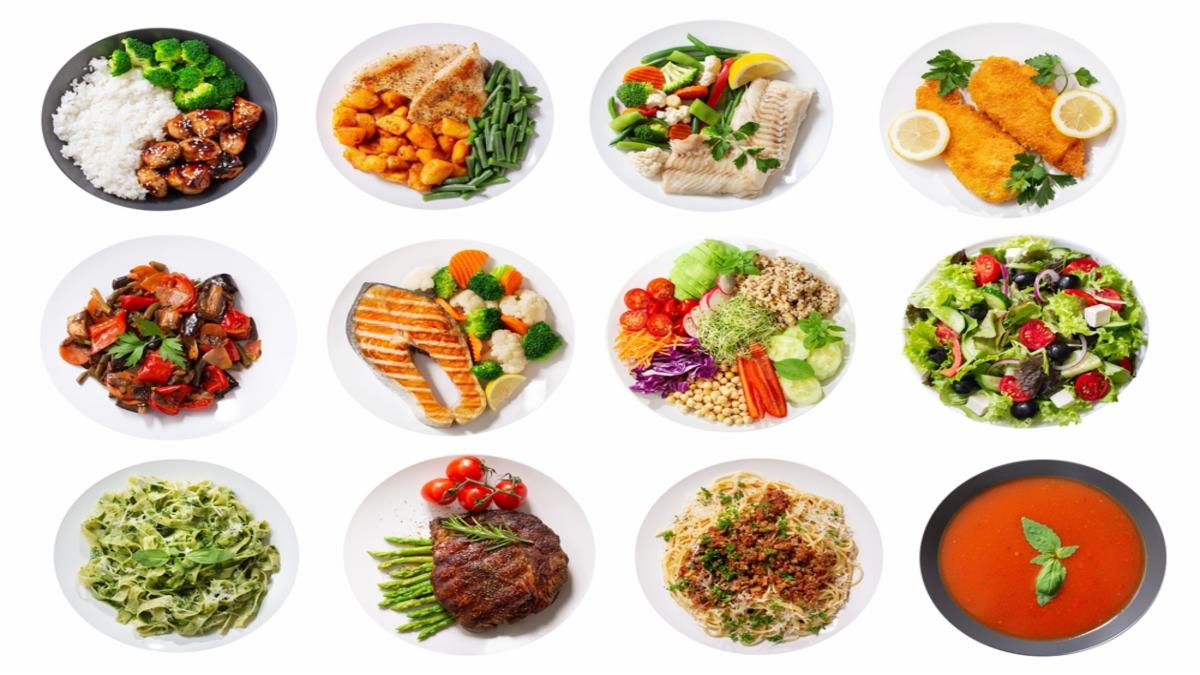
Traditional Asian dietary patterns emphasize:
- Rice or whole grains as staples
- Abundant vegetables and fermented foods
- Moderate intake of fish and plant proteins
These diets are typically:
- Low in fat
- High in fiber
- Rich in bioactive compounds
They have been linked to lower rates of obesity, hypertension, and metabolic disorders.
Healthy vs. Western Dietary Patterns
A Western diet, characterized by:
- High intake of processed meats and refined sugars
- Excessive saturated and trans fats
- Low consumption of fresh produce
is strongly associated with increased risk of chronic diseases.
In contrast, healthy dietary patterns:
- Prioritize whole, minimally processed foods
- Maintain nutritional balance
- Support long-term metabolic health
The Importance of Dietary Fats
Not all fats are equal. A healthy diet distinguishes between:
- Beneficial fats: Monounsaturated and polyunsaturated fats (e.g., olive oil, nuts, fish)
- Harmful fats: Trans fats and excessive saturated fats
Omega-3 fatty acids, found in fatty fish and certain plant sources, provide:
- Anti-inflammatory effects
- Cardiovascular protection
- Cognitive support
Protein Sources: Quality Over Quantity
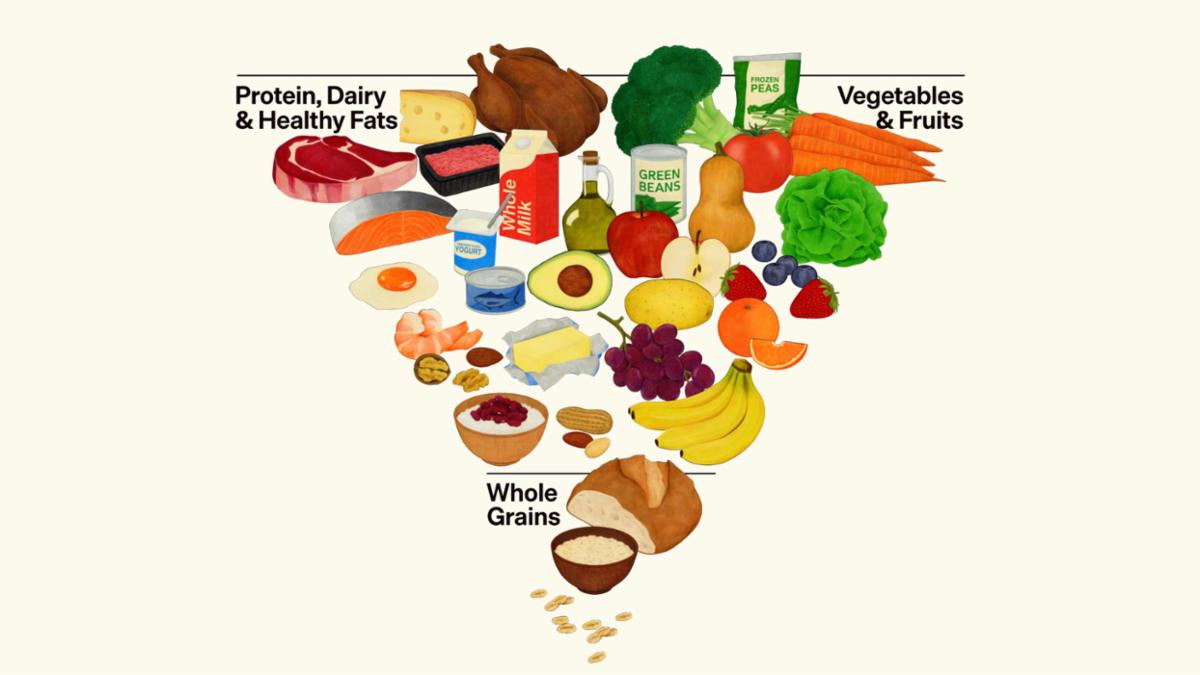
Protein intake should emphasize:
- Plant-based sources: Legumes, nuts, seeds
- Lean animal sources: Fish, poultry, eggs
Excessive consumption of red and processed meats is linked to:
- Increased cancer risk
- Cardiovascular complications
Balanced protein intake supports:
- Muscle preservation
- Bone health
- Metabolic function
Lifestyle Integration: Beyond Food Choices
A truly healthy diet is part of a broader lifestyle that includes:
- Regular physical activity
- Adequate sleep
- Stress management
- Social engagement
These factors enhance the benefits of dietary patterns and contribute to overall well-being.
Supplementation: When Necessary
While whole foods are the preferred source of nutrients, supplementation may be required in cases of:
- Nutrient deficiencies
- Increased physiological needs
- Limited food access
Careful evaluation ensures safe and effective use without exceeding recommended limits.
Conclusion: A Unified Model of Healthy Eating
A healthy diet is defined by consistency, diversity, and balance. Across various cultural and scientific frameworks, the most effective dietary patterns share common principles:
- High intake of plant-based foods
- Moderate consumption of lean proteins
- Preference for healthy fats
- Minimal reliance on processed foods
These evidence-based approaches significantly reduce the risk of non-communicable diseases while promoting longevity and quality of life. By adopting such patterns, we establish a sustainable foundation for optimal health across the lifespan.