Complete Guide to Intermittent Fasting for Indians
Introduction
Intermittent fasting (IF) has become one of the most popular and scientifically supported approaches to weight loss and healthy living. Unlike traditional diets that focus on what you eat, intermittent fasting focuses on when you eat. It alternates between periods of eating and fasting, allowing your body to use stored fat as an energy source.
For Indians, intermittent fasting can be especially effective because it can be adapted to traditional meals such as dal, roti, vegetables, rice, paneer, and other nutritious foods. When combined with a balanced Indian diet plan, regular home workouts, and healthy lifestyle habits, intermittent fasting can support weight loss, improve metabolism, and enhance overall well-being.
This complete guide explains how intermittent fasting works, its benefits, the best fasting schedules for Indians, meal plans, workout tips, and common mistakes to avoid.
What Is Intermittent Fasting?
Intermittent fasting is an eating pattern that cycles between periods of eating and fasting.
It does not tell you exactly which foods to eat. Instead, it defines the time window during which you consume your meals.
During the fasting period, your body has more opportunity to use stored fat for energy after digesting the food from your previous meal.
How Does Intermittent Fasting Work?
When you eat, your body uses glucose from food as its primary energy source.
During fasting:
- Insulin levels gradually decrease.
- Stored glycogen is used for energy.
- Once glycogen stores are reduced, the body increasingly relies on stored fat to meet its energy needs.
- A calorie deficit, when maintained over time, contributes to weight loss.
Remember that intermittent fasting is not a guarantee of weight loss. Results depend on overall calorie intake, food quality, physical activity, sleep, and consistency.
Benefits of Intermittent Fasting
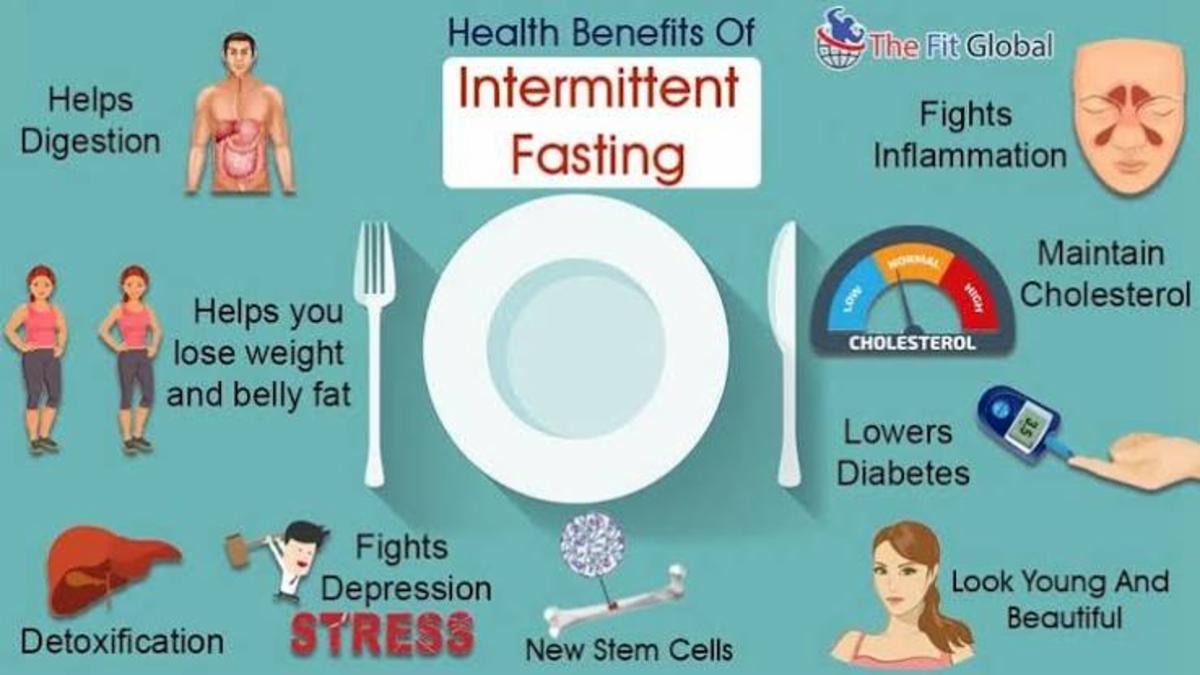
Supports Weight Loss
Eating within a limited time window may help some people reduce their daily calorie intake, making weight management easier.
May Help Reduce Belly Fat
Intermittent fasting can support overall fat loss when combined with:
- Healthy eating
- Regular exercise
- Strength training
- Adequate sleep
Improves Insulin Sensitivity
Some studies suggest intermittent fasting may improve insulin sensitivity in certain individuals, particularly when paired with a balanced diet and weight loss.
Encourages Mindful Eating
Many people become more aware of portion sizes and snack less frequently.
Fits Busy Lifestyles
Skipping one meal can make meal planning simpler for working professionals and students.
Popular Intermittent Fasting Methods
16:8 Method (Most Popular)
Fast for 16 hours and eat during an 8-hour window.
Example
- First meal: 12:00 PM
- Last meal: 8:00 PM
Suitable for beginners.
14:10 Method
Fast for 14 hours.
Eat within 10 hours.
This is often easier for beginners and people with demanding schedules.
12:12 Method
Fast for 12 hours.
This gentle approach is ideal if you're new to fasting.
5:2 Method
Eat normally for 5 days.
Reduce calorie intake significantly on 2 non-consecutive days.
This method requires careful planning and may not suit everyone.
Is Intermittent Fasting Safe for Everyone?
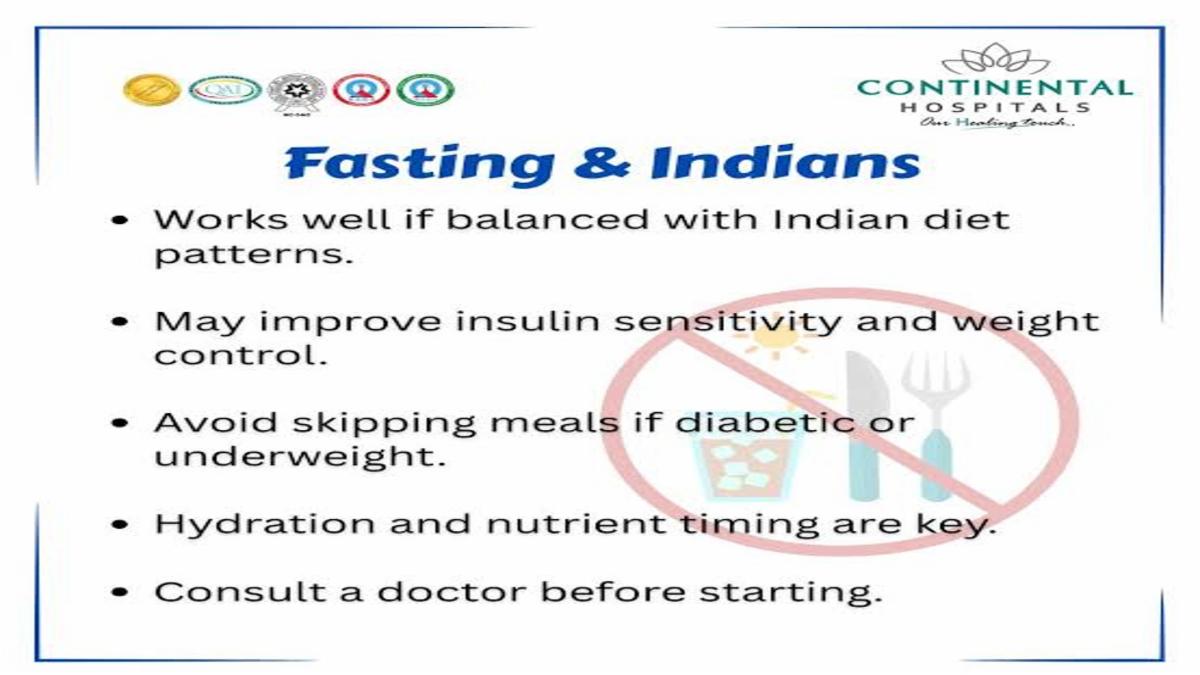
Intermittent fasting is not appropriate for everyone.
You should seek medical advice before trying it if you:
- Are pregnant or breastfeeding
- Have a history of eating disorders
- Have diabetes or take medications that affect blood sugar
- Are underweight
- Have a chronic medical condition
If you experience dizziness, fainting, or persistent fatigue, stop fasting and consult a healthcare professional.
Best Indian Diet Plan During Intermittent Fasting
The quality of your meals is more important than simply following a fasting schedule.
First Meal (12 PM)
Choose one:
- Paneer bhurji with whole wheat roti
- Moong dal chilla
- Vegetable oats
- Brown rice with dal and vegetables
Afternoon Snack
- Apple
- Guava
- Greek yogurt
- Roasted chana
- Sprouts
Dinner
- Vegetable sabzi
- Dal
- Chapati
- Paneer
- Grilled chicken
- Salad
Drinks During the Fasting Window
Generally acceptable options include:
- Water
- Black coffee (without sugar)
- Plain tea
- Green tea
- Plain sparkling water
Avoid sugary beverages, fruit juices, and sweetened coffee during the fasting period.
Protein-Rich Foods for Better Results
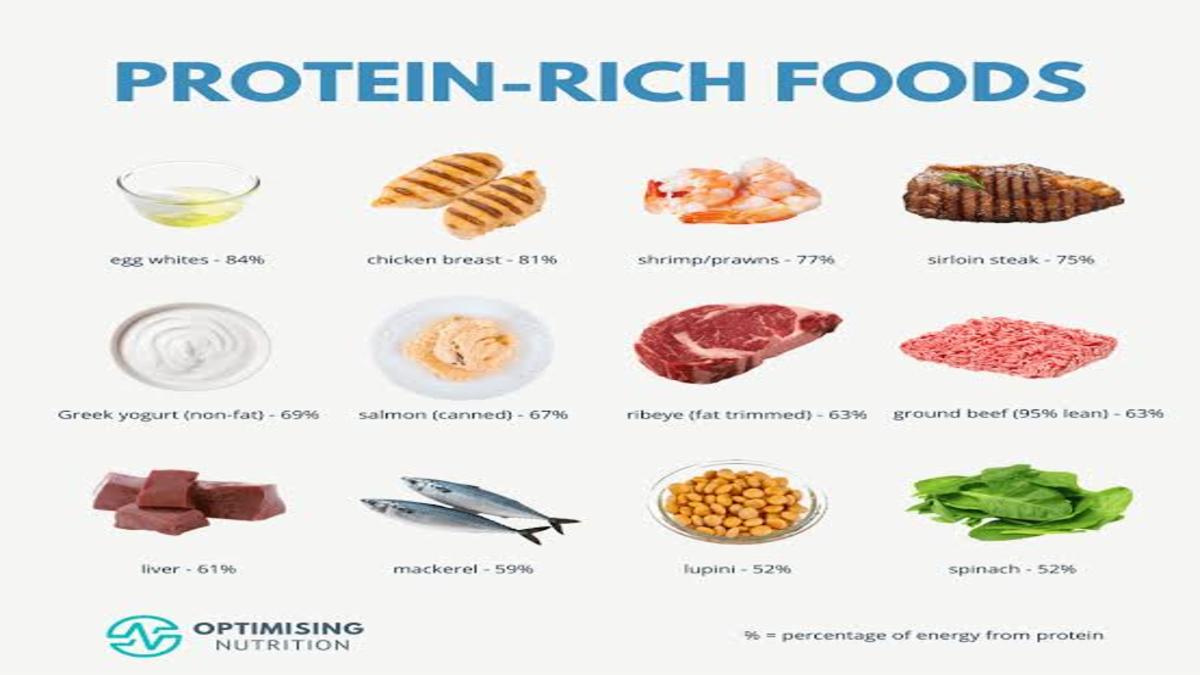
Maintaining muscle is important while losing fat.
Include protein in every meal.
Vegetarian Sources
- Paneer
- Soy chunks
- Tofu
- Dal
- Rajma
- Chickpeas
- Greek yogurt
Non-Vegetarian Sources
- Eggs
- Chicken breast
- Fish
Aim for 1.2–2.0 grams of protein per kilogram of body weight, depending on your activity level and goals.
Home Workout While Fasting
Exercise helps preserve muscle and improve overall fitness.
Beginner Strength Routine
- Squats – 15 reps
- Push-ups – 10 reps
- Lunges – 12 reps each leg
- Mountain climbers – 20 reps
- Plank – 45 seconds
Repeat 3 rounds.
Best Time to Exercise
You can choose:
- Before your first meal if you feel comfortable exercising while fasted.
- Shortly after eating if you prefer having more energy for your workout.
Choose the option that helps you stay consistent and perform safely.
Yoga During Intermittent Fasting
Yoga pairs well with intermittent fasting because it is generally lower intensity and supports stress management.
Practice:
- Surya Namaskar
- Child's Pose
- Cobra Pose
- Triangle Pose
- Legs Up the Wall
Practice for 20–30 minutes on most days.
Common Mistakes to Avoid
Overeating During the Eating Window
Fasting does not compensate for excessive calorie intake.
Eating Mostly Processed Foods
Choose whole foods instead of fast food or sugary snacks.
Not Eating Enough Protein
Protein helps preserve muscle during weight loss.
Ignoring Hydration
Drink 2.5–3.5 liters of water daily unless your healthcare provider recommends otherwise.
Expecting Quick Results
Healthy weight loss takes time and consistency.
Weight Loss Tips for Success
- Plan meals in advance.
- Eat slowly and mindfully.
- Include vegetables in every meal.
- Stay physically active.
- Prioritize quality sleep.
- Limit sugary drinks and ultra-processed foods.
Small habits practiced consistently deliver the best long-term results.
Healthy Lifestyle Habits
Intermittent fasting works best when combined with:
- 7–9 hours of sleep
- Daily movement
- Strength training
- Stress management
- Balanced nutrition
- Regular hydration
Lifestyle habits have a greater impact than fasting alone.
Frequently Asked Questions
Is intermittent fasting good for weight loss?
It can be an effective strategy for some people because it may help reduce calorie intake and support fat loss when combined with a balanced diet and regular exercise.
Can I drink tea or coffee while fasting?
Yes, plain tea and black coffee without sugar are generally allowed during the fasting period.
Can vegetarians follow intermittent fasting?
Absolutely. Foods like paneer, soy chunks, lentils, tofu, curd, and sprouts provide excellent nutrition during eating windows.
How long does it take to see results?
Many people notice changes within 4–8 weeks, depending on their calorie intake, activity level, sleep, and consistency.
Conclusion
Intermittent fasting is a flexible eating pattern that can fit well into an Indian lifestyle when combined with nutritious meals, regular exercise, and healthy daily habits. Rather than focusing only on meal timing, prioritize balanced nutrition, adequate protein intake, strength training, and quality sleep.
Whether your goal is weight loss, better metabolic health, or improved fitness, consistency matters far more than perfection. Start with a beginner-friendly fasting schedule, listen to your body's signals, and make gradual changes that you can maintain over the long term.
Remember, there is no single eating pattern that works for everyone. The best approach is one that supports your health, fits your routine, and helps you stay consistent.