Article Body
vegetarian muscle-building diet plan for Indians
Introduction
Many people believe that building muscle on a vegetarian diet is difficult. However, this is one of the biggest myths in the fitness industry. With proper planning, Indian vegetarians can easily consume enough protein, calories, and nutrients to support muscle growth, strength gains, and workout recovery.
Whether you're a beginner starting your fitness journey, trying to gain lean muscle, or following a bodybuilding program, a well-structured vegetarian diet can help you achieve your goals without relying heavily on supplements.
In this guide, you'll learn how to create a vegetarian muscle-building diet plan for Indians, discover the best protein-rich foods, understand daily protein requirements, and get practical fitness and nutrition tips for sustainable muscle growth.
Can Vegetarians Build Muscle Effectively?
Absolutely.
Muscle growth depends on three key factors:
1. Sufficient Protein Intake
Your body needs amino acids to repair and build muscle tissue.
2. Progressive Strength Training
Muscles grow when challenged through resistance exercises.
3. Calorie Surplus
To gain muscle, you must consume slightly more calories than your body burns.
Vegetarians can meet all three requirements with proper food choices.
Why Protein Is Important for Muscle Growth
Protein is the building block of muscles.
Benefits of Protein
-
Supports muscle repair
-
Enhances recovery
-
Promotes lean muscle growth
-
Reduces muscle breakdown
-
Improves workout performance
For muscle gain, most individuals should consume:
1.6–2.2 grams of protein per kilogram of body weight daily
Example
| Body Weight | Daily Protein Target |
|---|---|
| 60 kg | 96–132 g |
| 70 kg | 112–154 g |
| 80 kg | 128–176 g |
Best Protein-Rich Vegetarian Foods for Indians
1. Paneer
Protein:
18–20 g per 100 g
Benefits:
-
High-quality protein
-
Rich in calcium
-
Supports muscle recovery
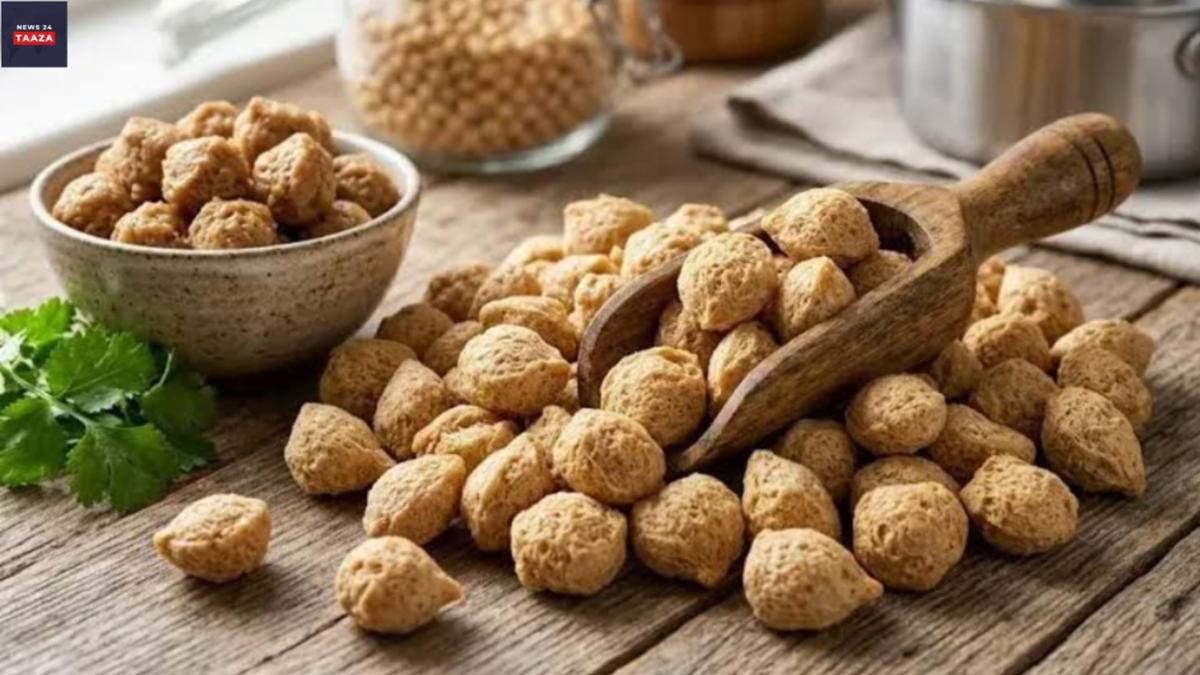
2. Soy Chunks
Protein:
50–52 g per 100 g
Benefits:
-
Affordable
-
Complete protein source
-
Excellent for muscle gain
3. Tofu
Protein:
8–10 g per 100 g
Benefits:
-
Low fat
-
Rich in essential amino acids
4. Greek Yogurt
Protein:
10–12 g per serving
Benefits:
-
Improves digestion
-
Supports recovery
5. Lentils (Dal)
Protein:
8–10 g per cooked cup
Best options:
-
Moong Dal
-
Masoor Dal
-
Toor Dal
6. Chickpeas (Chana)
Protein:
15–19 g per cup
Benefits:
-
High protein
-
High fiber
7. Kidney Beans (Rajma)
Protein:
15 g per cooked cup
Benefits:
-
Supports muscle recovery
-
Rich in iron
8. Milk
Protein:
8 g per glass
Benefits:
-
Contains whey and casein protein
-
Excellent post-workout option
9. Peanuts
Protein:
7–8 g per handful
Benefits:
-
Healthy fats
-
Calorie-dense food for muscle gain
10. Oats
Protein:
12–14 g per 100 g
Benefits:
-
Excellent breakfast option
-
Provides sustained energy
Vegetarian Muscle-Building Diet Plan (Indian)
Early Morning
Option
-
1 glass warm water
-
5 almonds
-
2 walnuts
Benefits:
-
Healthy fats
-
Improved energy levels
Breakfast
Option 1
-
Oats with milk
-
Peanut butter
-
Banana
Protein:
20–25 g
Option 2
-
Paneer bhurji
-
Whole wheat toast
Protein:
25–30 g
Mid-Morning Snack
Option
-
Greek yogurt
-
Fruit
Protein:
10–15 g
Lunch
Sample Meal
-
2–3 chapatis
-
Dal
-
Paneer curry
-
Salad
Protein:
30–35 g
Pre-Workout Meal
Option
-
Banana
-
Peanut butter sandwich
Benefits:
-
Provides workout energy
-
Supports performance
Post-Workout Meal
Option
-
Milk
-
Soy chunks
-
Paneer
Protein:
25–35 g
This meal is crucial for recovery and muscle growth.
Dinner
Sample Meal
-
Tofu or paneer
-
Vegetable stir fry
-
Chapati
Protein:
25–30 g
Before Bed
Option
-
Glass of milk
Protein:
8–10 g
Benefits:
-
Supports overnight muscle recovery

Sample Daily Protein Intake (70 kg Person)
| Meal | Protein |
|---|---|
| Breakfast | 25 g |
| Snack | 10 g |
| Lunch | 30 g |
| Post-Workout | 30 g |
| Dinner | 25 g |
| Milk Before Bed | 10 g |
| Total | 130 g |
This falls within the ideal range for muscle growth.
muscle-building foods Beyond Protein
Muscle growth requires more than protein alone.
Healthy Carbohydrates
Best Sources
-
Oats
-
Brown rice
-
Sweet potatoes
-
Whole wheat roti
-
Fruits
Carbohydrates provide energy for workouts.
Healthy Fats
Best Sources
-
Almonds
-
Walnuts
-
Peanuts
-
Flaxseeds
-
Chia seeds
Healthy fats support hormone production, including testosterone.
Home Workout for Muscle Building
Nutrition and training work together.
Beginner Home Workout
Push-Ups
3 sets × 10–15 reps
Squats
3 sets × 15 reps
Lunges
3 sets × 12 reps
Plank
3 sets × 45 seconds
Mountain Climbers
3 sets × 30 seconds
Workout Duration:
30–40 minutes
Common Mistakes Vegetarians Make
Not Eating Enough Protein
Many vegetarians consume excessive carbohydrates but insufficient protein.
Skipping Meals
Muscle growth requires consistent nutrition.
Fear of Healthy Fats
Healthy fats support recovery and hormone balance.
Not Tracking Protein Intake
Use a food tracking app initially to understand your intake.
fitness tips for Faster Muscle Growth
Train Consistently
Aim for:
4–5 workouts per week
Prioritize Sleep
Get:
7–9 hours of sleep
Recovery is essential for muscle growth.
Stay Hydrated
Drink:
3–4 liters of water daily
Increase Workout Intensity Gradually
Progressive overload is the key to building muscle.
Frequently Asked Questions
Can vegetarians build muscle without supplements?
Yes. Most people can meet their protein requirements through whole foods.
What is the best vegetarian protein source in India?
Soy chunks are among the highest-protein and most affordable options.
How much protein should I eat daily?
For muscle growth:
1.6–2.2 grams per kilogram of body weight.
Is paneer good for muscle gain?
Yes. Paneer is one of the best vegetarian protein-rich foods for muscle building.
Conclusion
Building muscle on a vegetarian diet is completely achievable for Indians when nutrition and training are properly planned. By consuming adequate protein-rich foods such as paneer, soy chunks, tofu, lentils, milk, and Greek yogurt, along with regular strength training and sufficient calories, you can gain lean muscle effectively.
Remember that muscle growth is a gradual process. Focus on consistency, balanced nutrition, progressive workouts, quality sleep, and patience. With the right vegetarian muscle-building diet plan, you can achieve impressive results without compromising your dietary preferences.

Comments